Acoustic Solutions

We provide acoustic design and acoustic treatment to get the sound right from the beginning
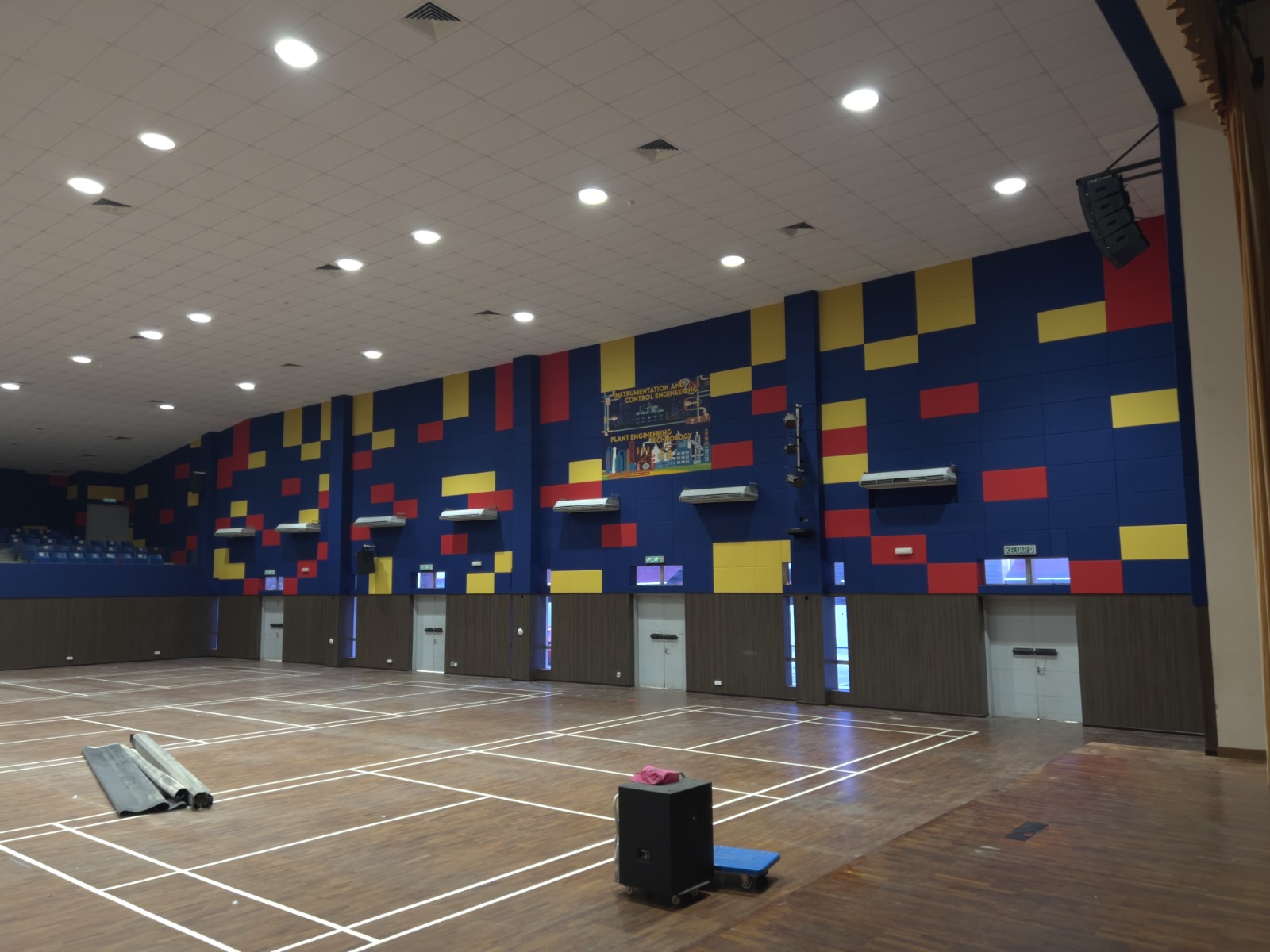
A good acoustic environment is not a luxury; it is essential for clear communication, productivity, and comfort in commercial spaces and studios.

Ensuring proper sound isolation and balanced sound quality is a foundational element of any professional building design, preventing costly and ineffective attempts at "fixing" the sound after the fact. We are your trusted partners in achieving sonic perfection.

Whether you require a high-performance sound insolation studio or acoustic treatment to reduce echoes and reverberation for multipurpose hall and auditorium, our team can help in your design and delivers results tailored to your vision.
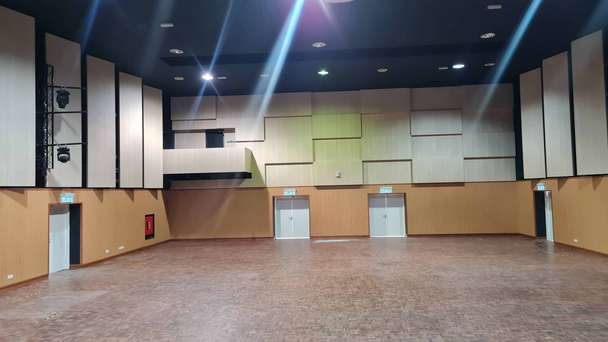
Alice Smith Hall Acoustic Treatment

Acoustic Treatment

The acoustics should be an important concern for any facility, from offices to museums to classroom to retail stores. For businesses requiring acoustic control—such as recording studios, medical consultation rooms, music venues, or industrial facilities—effective acoustic treatment is non-negotiable.

Studios and multipurpose halls present a unique acoustic challenge due to their varied uses and stringent performance requirements. In a studio, the goal is sonic neutrality and isolation, ensuring recordings are pure and accurate. In a multipurpose hall, the challenge is balancing speech intelligibility for conferences with rich musical performance acoustics.

Addressing these complexities through targeted acoustic design, employing specific materials and construction techniques to manage sound isolation between adjacent spaces and control reverberation times within the room, can deliver a high-caliber auditory experience regardless of the event.

Acoustic Timber Door

Acoustic Sound Door

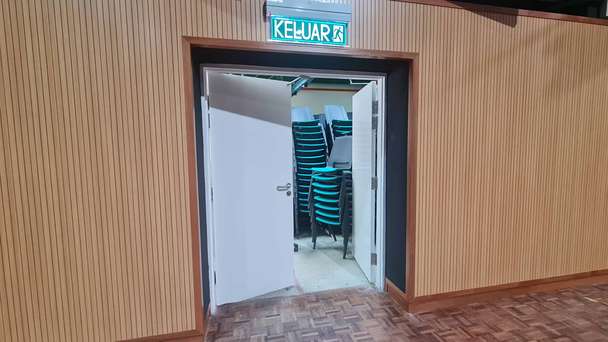
An acoustic sound door is a critical component in any high-performance sound isolation assembly, acting as the final barrier against noise leakage where standard doors fail. Unlike conventional doors that offer minimal resistance to sound waves, acoustic doors are engineered with a heavy, dense core, specialized perimeter seals (gaskets), and robust hardware to create an airtight seal when closed.

This superior construction effectively blocks the transmission of sound between rooms, ensuring privacy in offices, preventing noise bleed in commercial spaces, and maintaining the integrity of controlled sonic environments in recording studios and theaters.

As System Integrator and Acoustic contractor selecting the right acoustic sound door requires careful consideration of the required Sound Transmission Class (STC) rating to match the surrounding wall assembly.

AV Design

Acoustic Design

Effective acoustic design goes far beyond just wall panels and room shape; it critically involves the pre-planning of essential infrastructure, such as wiring and cable management. This means specifying conduits and pathways that maintain the required sound transmission class (STC) rating of walls and floors, preventing sound leaks that often occur through poorly sealed cable penetrations.

Integrating infrastructure planning into acoustic design ensures that necessary conduits, cable trays, and wall penetrations are properly sealed and acoustically treated. This prevents sound from leaking through these pathways, maintaining the desired sound transmission class of the space.

Effective acoustic design manages ambient noise, improves speech intelligibility, and mitigates reverberation, ensuring that the space is not just visually appealing, but functionally comfortable for staff and customer.